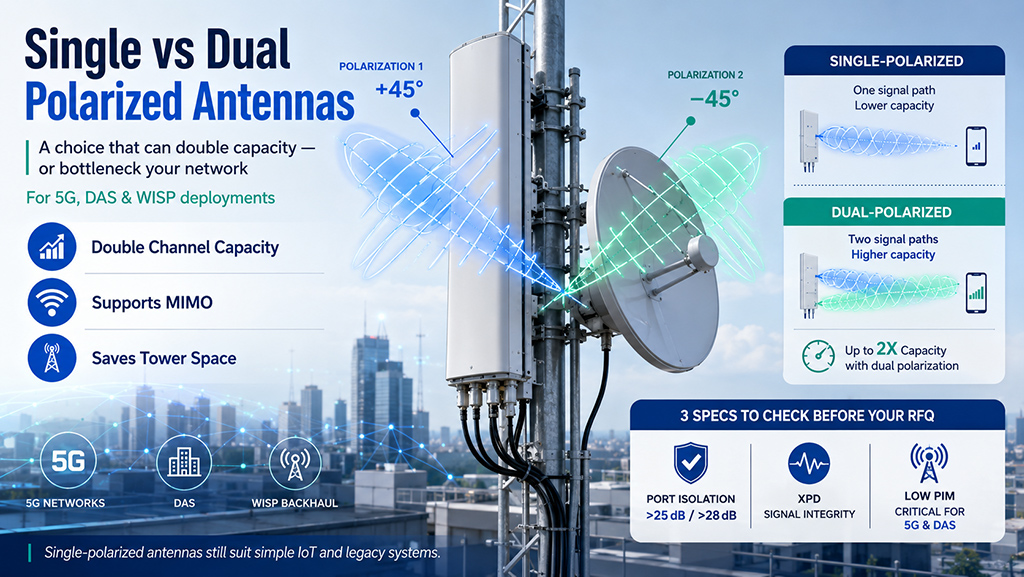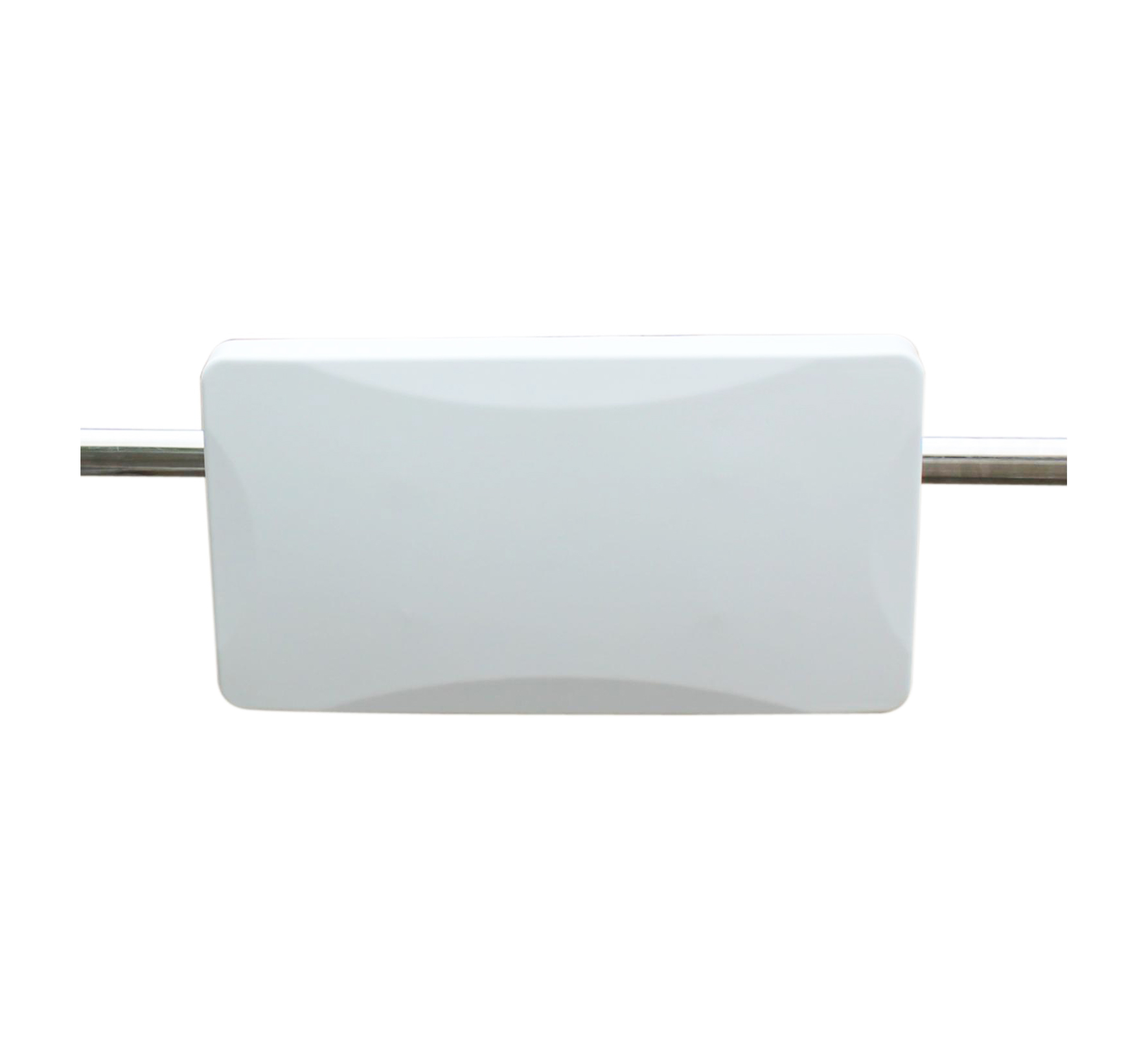
A dual-polarized antenna transmits and receives wireless signals on two orthogonal planes simultaneously, typically using ±45° slant or vertical and horizontal (V/H) alignment. This design doubles channel capacity, reduces multipath fading, and supports MIMO applications without increasing the physical footprint of the installation.

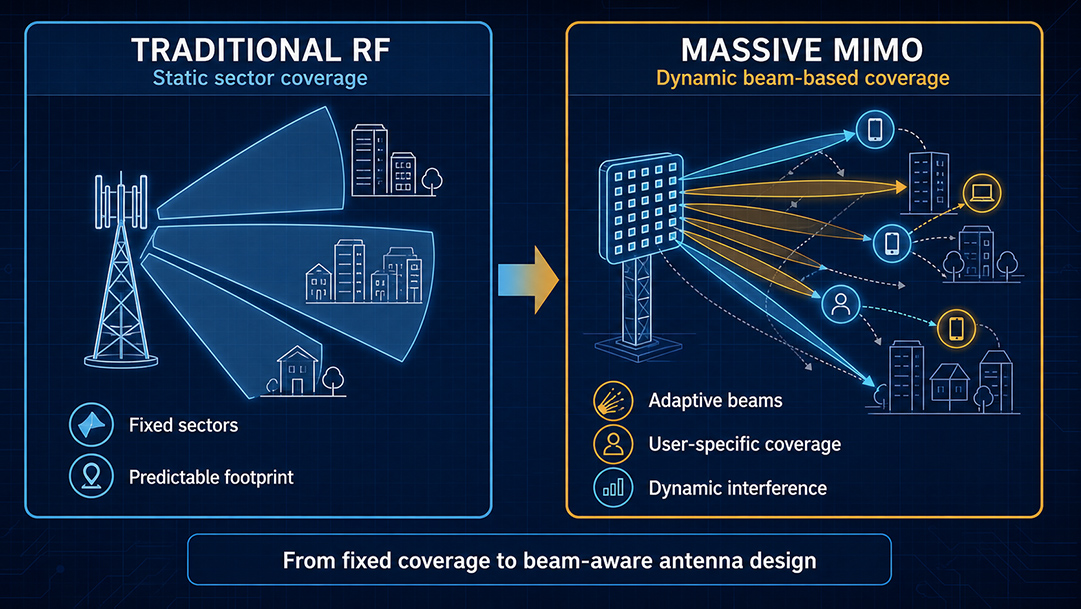
For buyers, 5G MIMO antenna design starts with practical RF details: the operating band, port count, polarization, beamwidth, radiation pattern, isolation, connector, and mounting environment. These choices affect whether a 5G, DAS, sector, or private wireless project gets the right RF hardware for its site conditions.

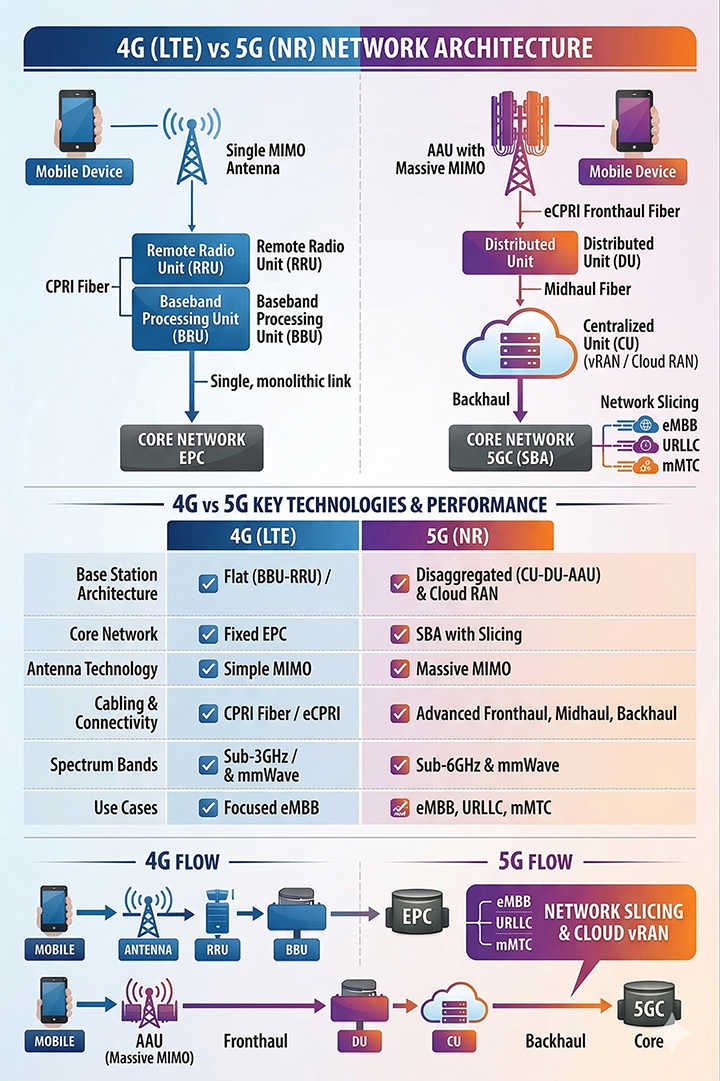
Explore the technical evolution from 4G LTE to 5G NR antennas. Learn key specifications like PIM, gain, and why sourcing from a direct telecom antenna manufacturer matters. 4g antenna manufacturers

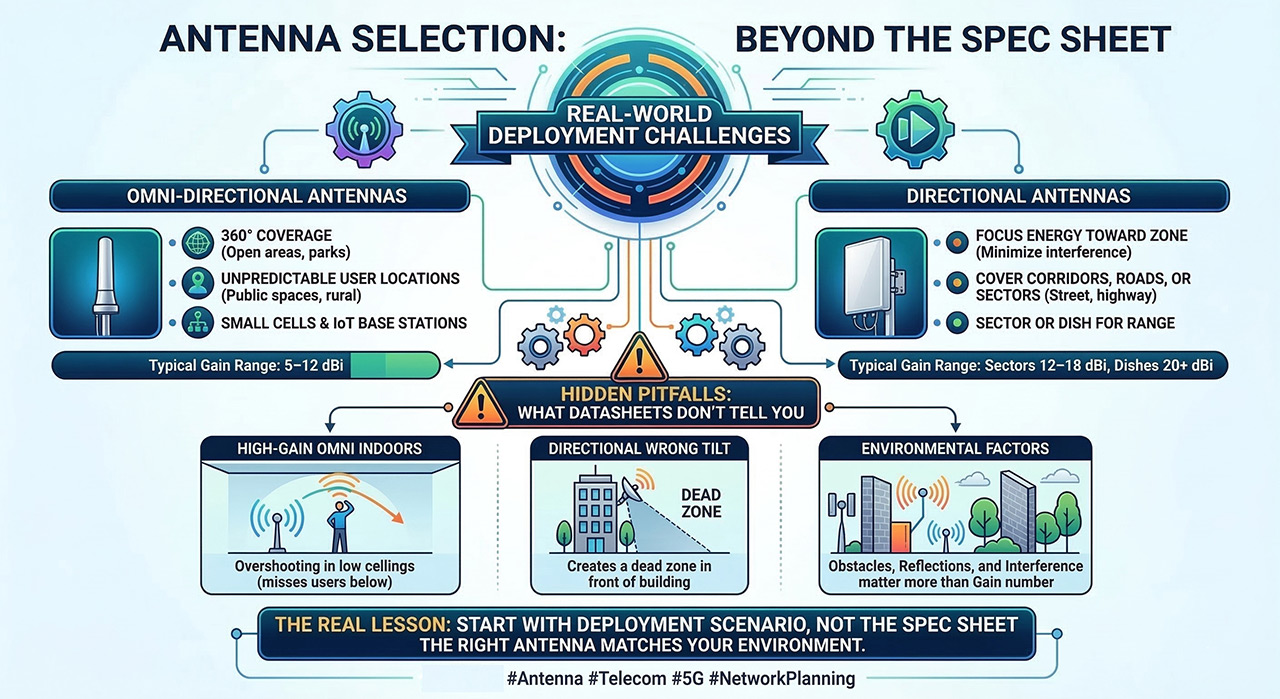
Omni antenna or directional antenna – which is better for your project? Learn the real-world differences, common deployment mistakes, and how to choose the right antenna based on your actual site conditions. Expert guide from BBT ANTENNAS. Omni Fiberglass Antennas

In this comprehensive guide, we will walk you through the key types of base station antennas, the critical specifications you need to understand, and practical tips for selecting the best antenna solution for your specific deployment scenario. As a leading antenna manufacturer in China with over 30 years of experience, BBT ANTENNAS provides insights drawn from decades of antenna design and production expertise.

Explore How to Choose the Right RFID Antennas for Your Medical Cabinet System with BBT ANTENNAS. Upgrade your healthcare management now!

Discover Which Is Better Horn Or Dish Antenna with BBT ANTENNAS! Get expert advice and pick the perfect antenna for your needs. Learn more now!

LPDA Vs Yagi Antennas What Is The Difference? Explore the pros and cons with BBT ANTENNAS and find your perfect fit today!

Yagi Antenna Vs Omni Antenna: Which Is Better? Let BBT ANTENNAS guide you to the best choice for top signal performance. Click to compare!