BBT ANTENNAS INC

BBT ANTENNAS INC

Blog

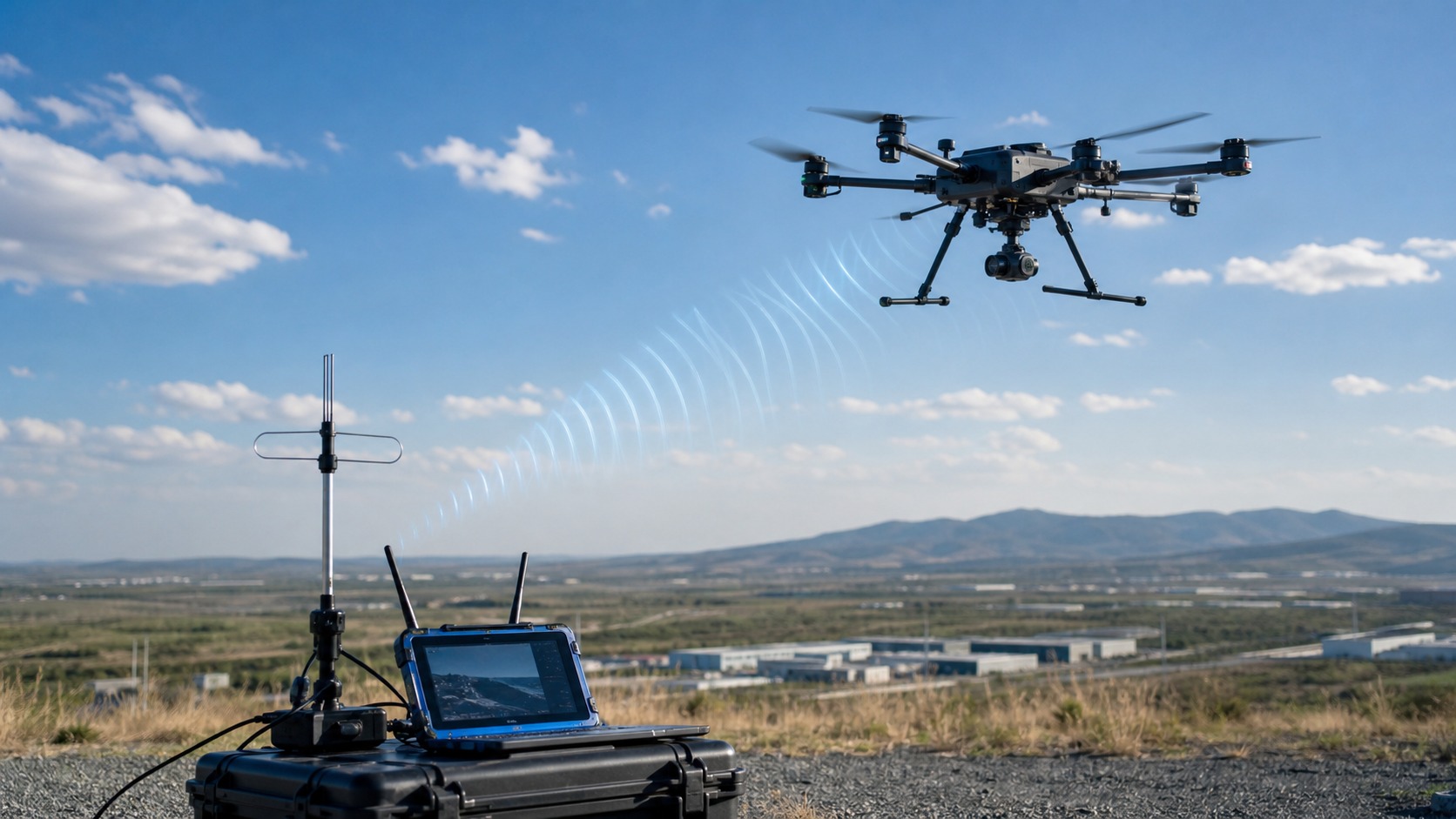
Drone Antenna Selection for UAV Communication Systems

19 Aug 2026

Selecting the right drone antenna directly affects communication range, data throughput, and mission reliability. For commercial and industrial UAV systems, the choice involves matching frequency bands (2.4 GHz, 5.8 GHz, or dual-band), antenna type, gain, and environmental requirements to your specific project. BBT ANTENNAS supplies standard omni antennas and custom OEM/ODM solutions for UAV communication applications.

Low-PIM vs Standard DAS Antennas: Selection Criteria and RFQ Checklist for 4G/5G Projects

12 Aug 2026

Low-PIM or standard DAS antenna? Multi-carrier, high-power, high-density 4G/5G DAS projects typically require antennas with verified low-PIM ratings. Single-carrier, lower-power indoor coverage can often use standard DAS antennas without PIM-related issues. This guide helps you assess your project conditions, compare PIM test data correctly, and build an RFQ that manufacturers can act on immediately.

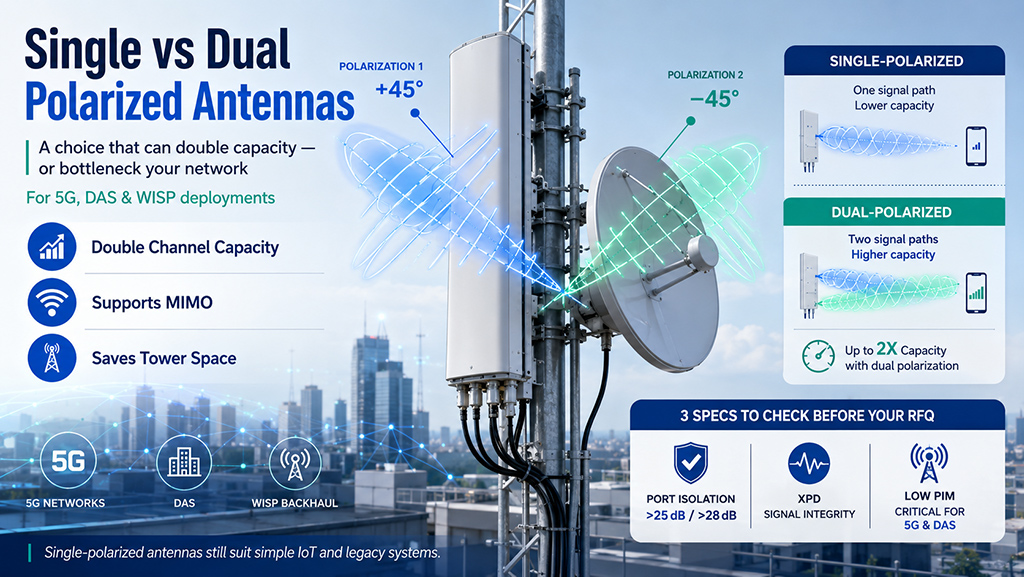
How to Choose a Dual-Polarized Antenna for 5G, DAS and WISP Projects

29 Jul 2026

A dual-polarized antenna transmits and receives wireless signals on two orthogonal planes simultaneously, typically using ±45° slant or vertical and horizontal (V/H) alignment. This design doubles channel capacity, reduces multipath fading, and supports MIMO applications without increasing the physical footprint of the installation.

Why dB, dBi and dBm Are Not the Same (A Guide for RF Procurement & System Integrators)

16 Jul 2026

When sourcing antennas for a DAS, IoT, or telecom project, misinterpreting the datasheet can lead to costly deployment failures. Many buyers look at a specification sheet, see a high number next to the antenna gain, and immediately assume the product will deliver a strong signal over long distances. However, in RF engineering, theoretical gain is only one part of the equation.

How We Test Antennas in Our Microwave Anechoic Chamber

29 Jun 2026

BBT ANTENNAS uses a microwave anechoic chamber to evaluate how an antenna behaves before a custom design is approved. The controlled environment reduces reflections and outside RF interference, giving engineers a cleaner view of gain, radiation pattern, efficiency, polarization and beamwidth. VSWR and return loss are checked with a vector network analyzer as part of the same antenna testing workflow.

5G MIMO Antenna Design: What Buyers Should Check Before Sourcing

25 Jun 2026

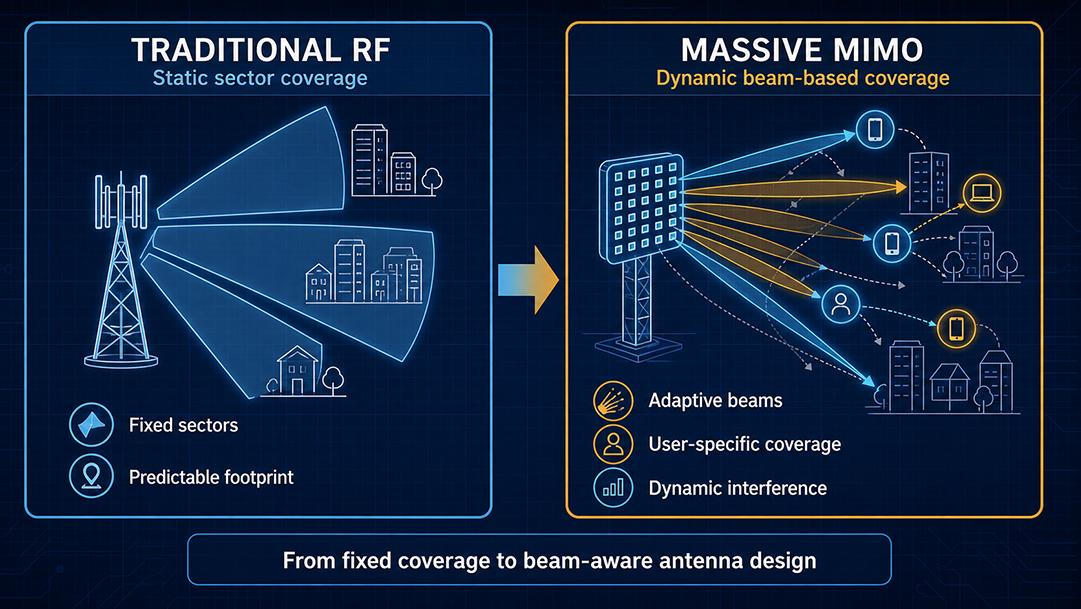
For buyers, 5G MIMO antenna design starts with practical RF details: the operating band, port count, polarization, beamwidth, radiation pattern, isolation, connector, and mounting environment. These choices affect whether a 5G, DAS, sector, or private wireless project gets the right RF hardware for its site conditions.

The Complete Guide to In-Building Solutions (IBS) for Seamless Indoor Coverage 5G DAS Antennas

09 Jun 2026

Modern architecture is designed to be resilient and energy-efficient. However, the very materials that make up today’s commercial buildings, hospitals, and shopping malls—such as reinforced concrete, steel frames, and Low-E glass—act as formidable barriers to Radio Frequency (RF) signals. The result? Frustrating "dead zones," dropped calls, and sluggish data speeds that hinder business operations and degrade the user experience.

To overcome these physical barriers and ensure reliable connectivity, telecommunication engineers and system integrators rely on the In-Building Solution (IBS). This comprehensive guide explores how an IBS works, its core components, and why selecting high-quality DAS antennas is critical for future-proof indoor coverage. 5G DAS Antennas

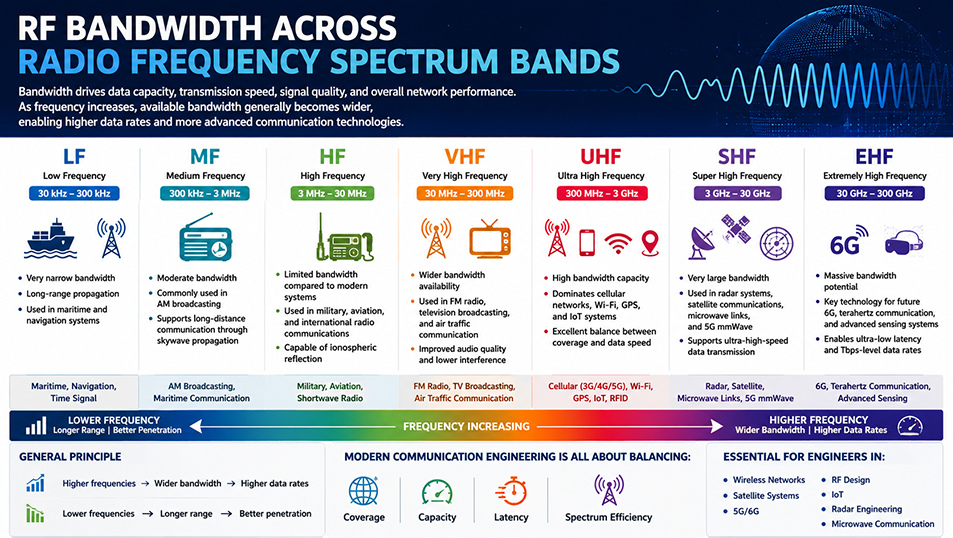
RF Spectrum Bandwidth Explained: From LF to EHF Frequency Bands UHF and VHF antenna

01 Jun 2026

Learn how bandwidth changes across LF, MF, HF, VHF, UHF, SHF, and EHF frequency bands, and how RF spectrum affects 5G, WiFi, IoT, RFID, satellite, radar, and antenna design. VHF antenna

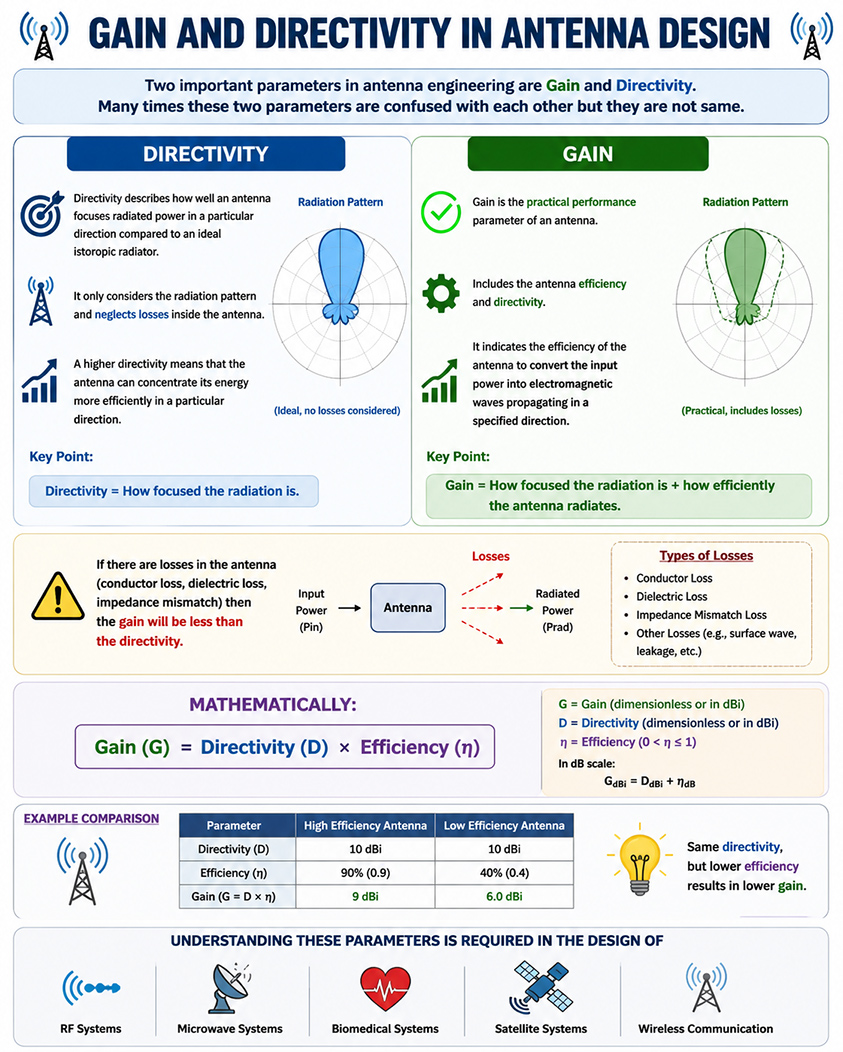
Antenna Gain vs Directivity: Key Differences Explained

27 May 2026

In antenna design, gain and directivity are two important parameters. They are closely related, but they are not the same.

For engineers, system integrators, and buyers, understanding the difference between antenna gain and directivity is essential when selecting antennas for 4G, 5G, WiFi, DAS, RFID, IoT, satellite, and RF communication systems. 5g antenna